
Amazon.com Review 2025: Pros, Cons, Pricing & Honest Verdict
Amazon.com is the world’s largest online marketplace—but in 2025, is it still the best place to shop? At SaleSmartly, we dig into the real user experience, strengths, and friction points so you can decide if it fits your lifestyle. This evidence-based review covers ideal shoppers, Prime pricing, common complaints, and a clear decision framework.
What Is Amazon.com? A Quick Overview
Amazon.com Review: Pros, Cons, Pricing & Honest Verdict - supporting product research image 1.
Amazon began as an online bookstore and grew into a global e‑commerce giant. Today it connects millions of buyers and third‑party sellers across categories like electronics, books, clothing, home goods, and groceries. The platform is built on a few core pillars:
- Massive catalog – hundreds of millions of items, with rapid marketplace expansion.
- Customer‑centric features – personalized recommendations, detailed user reviews, one‑click ordering, and the Amazon Prime subscription.
- Fast, reliable fulfillment – Prime members often get same‑day, one‑day, or two‑day delivery.
- Seller tools – businesses can reach a worldwide audience through Fulfillment by Amazon (FBA) or self‑managed shipping.
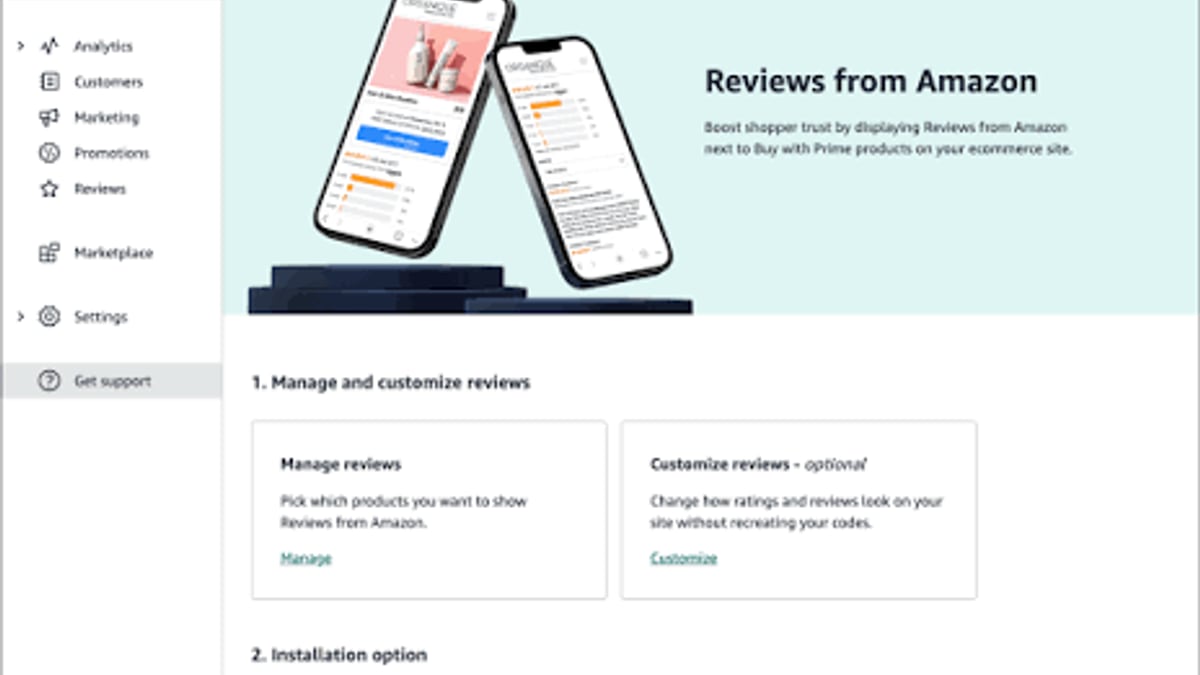
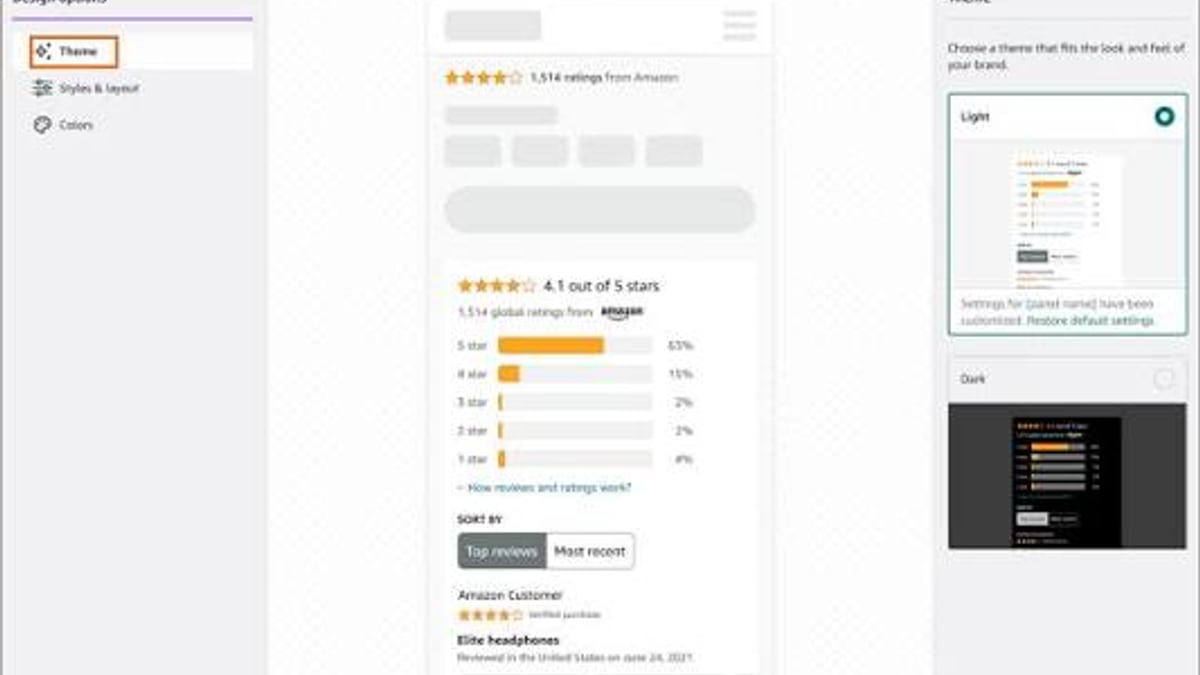
The review system is central to the shopping experience. Amazon’s review guidelines emphasize honest, unbiased feedback to help buyers make informed choices. While the ecosystem isn’t perfect, it’s one of the most extensive crowdsourced product research tools available.
Who Should Use Amazon.com? Ideal Users and Use Cases
Amazon.com Review: Pros, Cons, Pricing & Honest Verdict - supporting product research image 2.
Amazon serves very different audiences, and the value varies by role:
- Everyday shoppers – Anyone who values time and convenience. Prime’s delivery speeds and easy returns make it a default for household goods.
- Budget‑conscious buyers – Deals, coupons, and competitive pricing across millions of SKUs often beat brick‑and‑mortar stores.
- Prime ecosystem fans – Membership bundles video, music, reading, and exclusive deals, turning Amazon into a full entertainment hub.
- Small businesses and solo sellers – Amazon gives immediate access to a massive built‑in audience. If you’re a seller, managing messages from Amazon, email, and social channels can get messy. Omnichannel platforms like SaleSmartly unify those conversations. For a side‑by‑side look at how such tools handle cross‑border e‑commerce, check out our SaleSmartly vs LiveChat vs tawk.to showdown.
- International buyers – Amazon ships to 100+ countries and offers localized sites, broadening access to global inventory.
- Business users – Amazon Business accounts provide bulk pricing, tax exemptions, and analytics for procurement teams.
If you’re a seller who also processes payments outside Amazon (for example, via PayPal on your own site), integrating your support tool with transaction data can save hours. See our guide on How to Use SaleSmartly with PayPal to automate notifications and dispute handling.
Key Strengths That Keep Amazon on Top
Several factors explain why Amazon still dominates e‑commerce:
- Unmatched selection – You’ll rarely need to visit another site to find a specific product variation.
- Industry‑leading shipping – Prime’s logistics network delivers fast, with real‑time tracking and flexible delivery options.
- Robust review ecosystem – Millions of buyer‑verified ratings and written reviews reduce uncertainty. Amazon actively moderates the system; its policies ban promotional or biased reviews.
- Easy returns and A‑to‑z Guarantee – Most products have a 30‑day return window. The guarantee protects you when a third‑party seller fails to resolve an issue.
- Competitive pricing – Dynamic pricing, deals of the day, and Lightning Deals often undercut retailers.
- Smart personalization – The homepage, recommendations, and “frequently bought together” widgets are eerily good at predicting what you need next.
- Alexa and smart home integration – Reordering essentials by voice and controlling smart devices deepens convenience.
Amazon.com Limitations and Common Complaints
Amazon.com Review: Pros, Cons, Pricing & Honest Verdict - supporting product research image 3.
No platform is perfect, and Amazon has glaring issues that surface in user feedback:
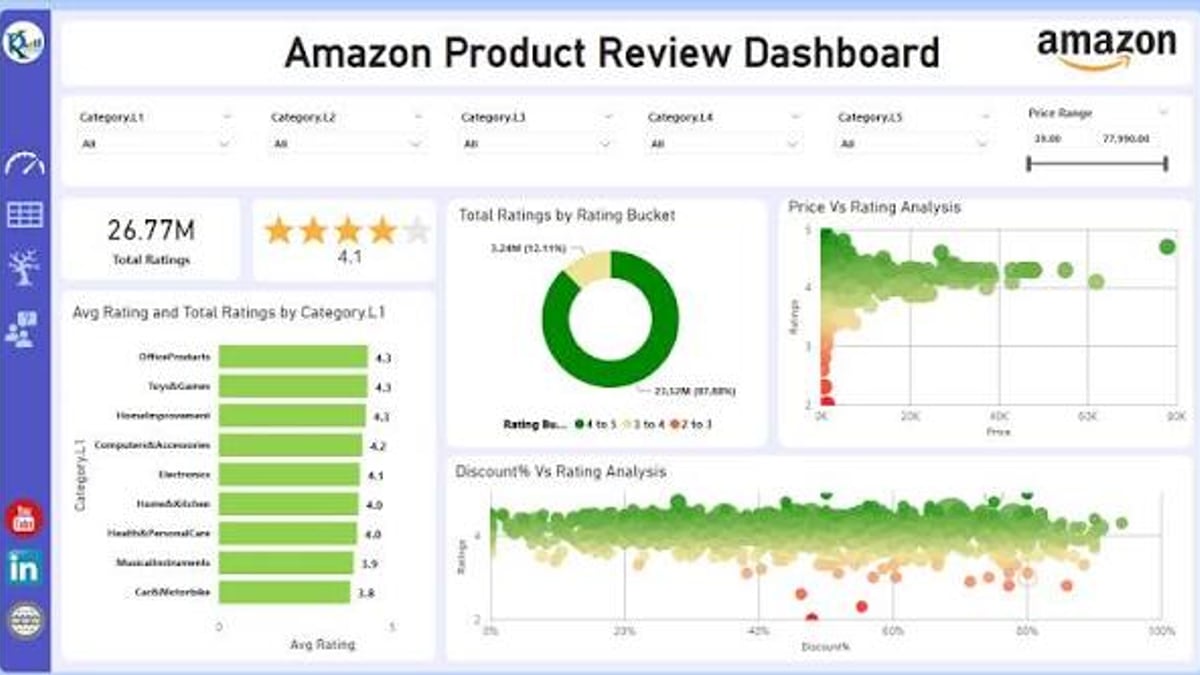
- Product quality inconsistency – With third‑party sellers pouring in, counterfeits and misrepresented items are a real risk. Trustpilot data reflects this: a 1.5‑star average across 48,000+ reviews, with many citing questionable product quality and unreliable sellers.
- Customer service challenges – Resolving issues beyond automated workflows can be frustrating. Trustpilot contributors frequently mention slow, scripted responses and difficulty reaching a human.
- Prime membership cost – $139 per year or $14.99 per month in the U.S. is a recurring expense that needs to be justified by frequent use.
- Interface clutter – Ads, sponsored placements, and aggressive cross‑selling can overwhelm during simple shopping.
- Ethical and competitive concerns – Reports on warehouse labor practices, environmental impact, and the squeeze on local businesses make some shoppers think twice.
Pricing and Membership Signals: What You’ll Pay
Amazon is free to browse and use, but here’s how the costs stack up:
- Standard account – No membership fee. Pay per item plus shipping unless the order exceeds the free‑shipping threshold (usually $25 for eligible products).
- Amazon Prime – $139/year or $14.99/month. Unlocks free expedited shipping, Prime Video, Prime Music, Prime Reading, exclusive deals, and more.
- Optional subscriptions – Amazon Music Unlimited, Kindle Unlimited, Audible, Amazon Fresh, and Prime Video channels carry additional monthly fees.
- Seller costs – Sellers on Amazon pay a referral fee (usually 8–15%) per item, plus FBA fees if they use Amazon’s warehouses. Those costs indirectly influence product pricing.
Amazon often offers a 30‑day free trial of Prime, which is the best way to test its value.
Getting Started with Amazon.com
Amazon.com Review: Pros, Cons, Pricing & Honest Verdict - supporting product research image 4.
Setup takes minutes, but a few steps optimize safety and savings:
- Create an Amazon account on the website or app with an email and payment method.
- Set up your household – add delivery addresses, gift cards, and backup payment options.
- Start a Prime trial if you haven’t already; it’s the only way to experience the full service.
- Learn to read listings effectively – check seller ratings, verify review authenticity (look for “Verified Purchase” and detailed pros/cons), and inspect return policies for third‑party items.
- Use Subscribe & Save for consumables to lock in discounts and automatic delivery.
- Download the mobile app for deal alerts, voice shopping, and package tracking.
Pro tip: When buying from a new seller, scan the one‑ and two‑star reviews first—they often reveal recurring problems.
Decision Criteria: Is Amazon.com Right for You?
Use this checklist to decide if Amazon fits your life:
Choose Amazon if:
- You prioritize time, convenience, and fast delivery above everything else.
- You regularly purchase across many categories and want one aggregated cart.
- You’ll use enough Prime media perks to justify the subscription.
- You live in an area with reliable Amazon logistics and same‑day delivery.
- You’re comfortable doing a little seller vetting before hitting “Buy.”
Consider alternatives if:
- You want to support smaller, local retailers directly.
- Guaranteed product authenticity is non‑negotiable for you (consider brand‑direct or specialty stores).
- The Prime fee feels like a strain, and you rarely need two‑day shipping.
- Ethical sourcing and labor transparency rank high in your purchasing decisions.
Common substitutes include Walmart.com (competitive pricing and free two‑day shipping with Walmart+), eBay (better for used or niche items), and independent Shopify stores (direct brand relationships).
Related reading
- How to Use SaleSmartly with Mailchimp: A Practical 2025 Guide - Learn how to connect SaleSmartly’s omnichannel AI customer service with Mailchimp’s email marketing. Automate lead capture, nurture sequences, and cross-channel follow‑ups step by step.
- SaleSmartly vs Tidio vs LiveChat: 2025 Comparison Guide - Compare SaleSmartly, Tidio, and LiveChat on AI, omnichannel coverage, translation, and pricing. Find which live chat platform fits cross-border, ecommerce, or enterprise.
- Ringly Review 2026: AI Phone Support for Shopify Brands - We tested Ringly’s AI phone support for Shopify. Explore features, real resolution rates, setup steps, pricing signals, and whether it fits your brand.
Sources and further reading
- Submit a Review - Amazon Customer Service - Submit a Review - Amazon Customer ServiceAmazon.comhttps://www.amazon.com › help › customer › displayAmazon.comhttps://www.amazon.com › help › customer › displayYou can share your thoughts on products by submitting a review. Select a star rating and optionally add text, photos, or videos.Read more
FAQ
Is Amazon trustworthy?
Amazon’s platform is generally reliable, and its A‑to‑z Guarantee protects buyers. However, you must evaluate individual sellers, as third‑party quality varies.
How does Amazon Prime work?
Prime is a membership that bundles free fast shipping, streaming, and exclusive shopping events. You pay annually or monthly and can cancel anytime.
Can I use Amazon without Prime?
Absolutely. You can shop with a free account, pay standard shipping, and still access millions of items and Amazon’s customer review system.
What is Amazon’s return policy?
Most products can be returned within 30 days of delivery. Some items have different windows; check the product page for specifics.
How do I spot fake reviews?
Look for a “Verified Purchase” badge, balanced feedback that mentions both pros and cons, and profiles that have reviewed varied items over time. Tools like Fakespot can also help analyze review authenticity.
The Final Verdict
Amazon remains the default online mall for a reason: selection, speed, and a dead‑simple shopping experience that’s hard to beat. The trade‑off is occasional quality inconsistency, iffy customer service when things go wrong, and a membership cost that only heavy users truly maximize. If you approach Amazon with a “trust but verify” mindset—vetting sellers and using the Prime trial before committing—you’re likely to find it a net positive. For most shoppers, the convenience still outweighs the drawbacks in 2025.