
SaleSmartly vs Tidio vs Intercom: Which Chat Platform Wins?
Choosing between SaleSmartly, Tidio, and Intercom can feel like comparing three very different tools that happen to share the word "chat." One is built for cross-border omnichannel reach, one is a lightweight live chat and AI assistant for growing ecommerce stores, and one is an AI-first helpdesk aimed at scaling support teams. The right choice depends on where your customers are, which channels you need, and how much automation you actually want.
This comparison breaks down the three platforms across the criteria that matter most: channel coverage, AI capabilities, multilingual support, pricing, and the type of business each one fits best.
Quick Verdict
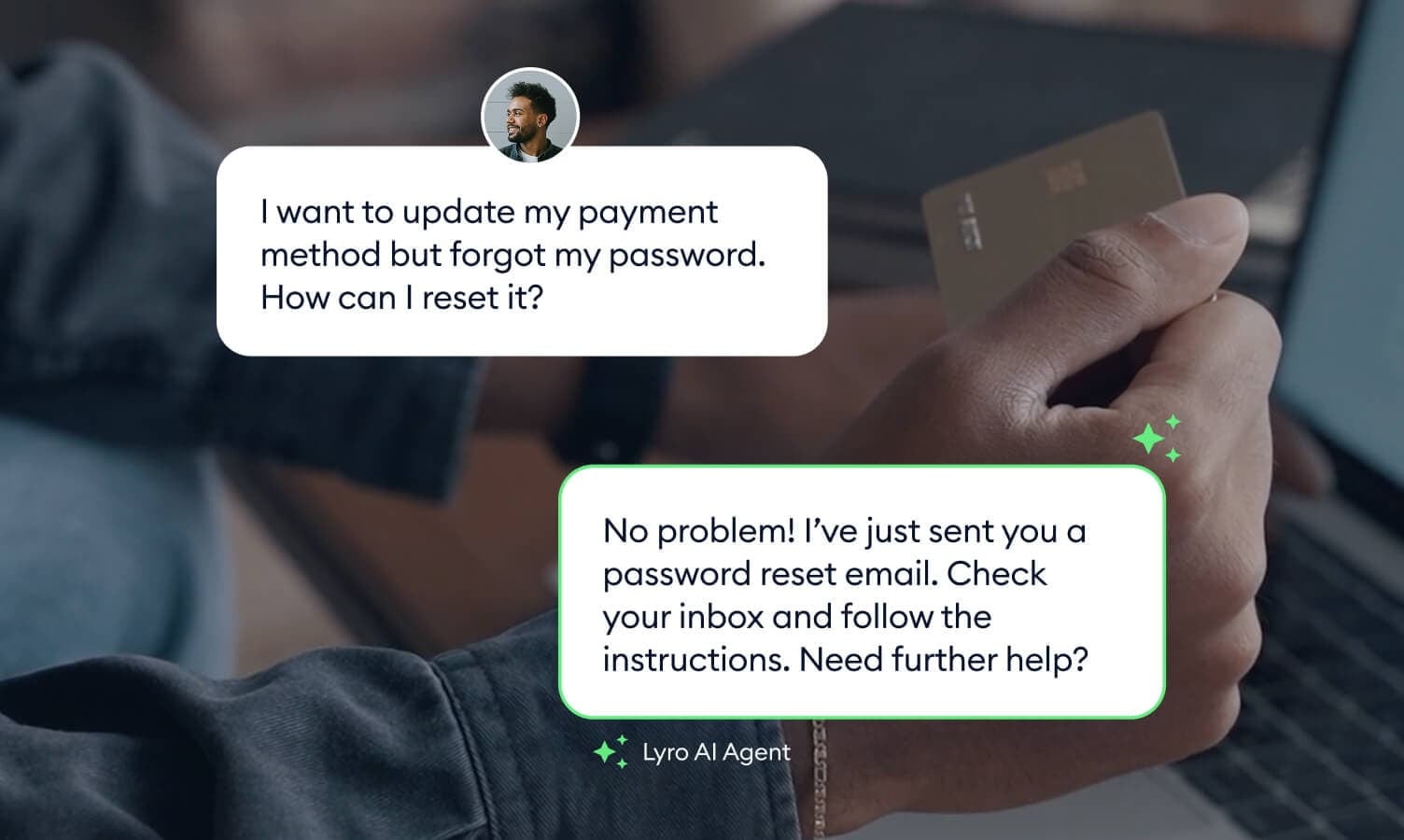
Tidio product interface.
- SaleSmartly is the strongest fit for cross-border businesses that need to unify WhatsApp, Facebook Messenger, Instagram, Telegram, LINE, Email, WeChat, Zalo, and more in one inbox, with built-in translation across 134 languages.
- Tidio is the easiest to set up and a great value for small ecommerce stores that want live chat plus a simple AI agent on their website without a steep learning curve.
- Intercom is the most powerful option for scaling support and product-led teams that need a full helpdesk, AI agent, and deep automation, and are willing to pay enterprise-level prices.
Channel Coverage: Where Your Customers Actually Are
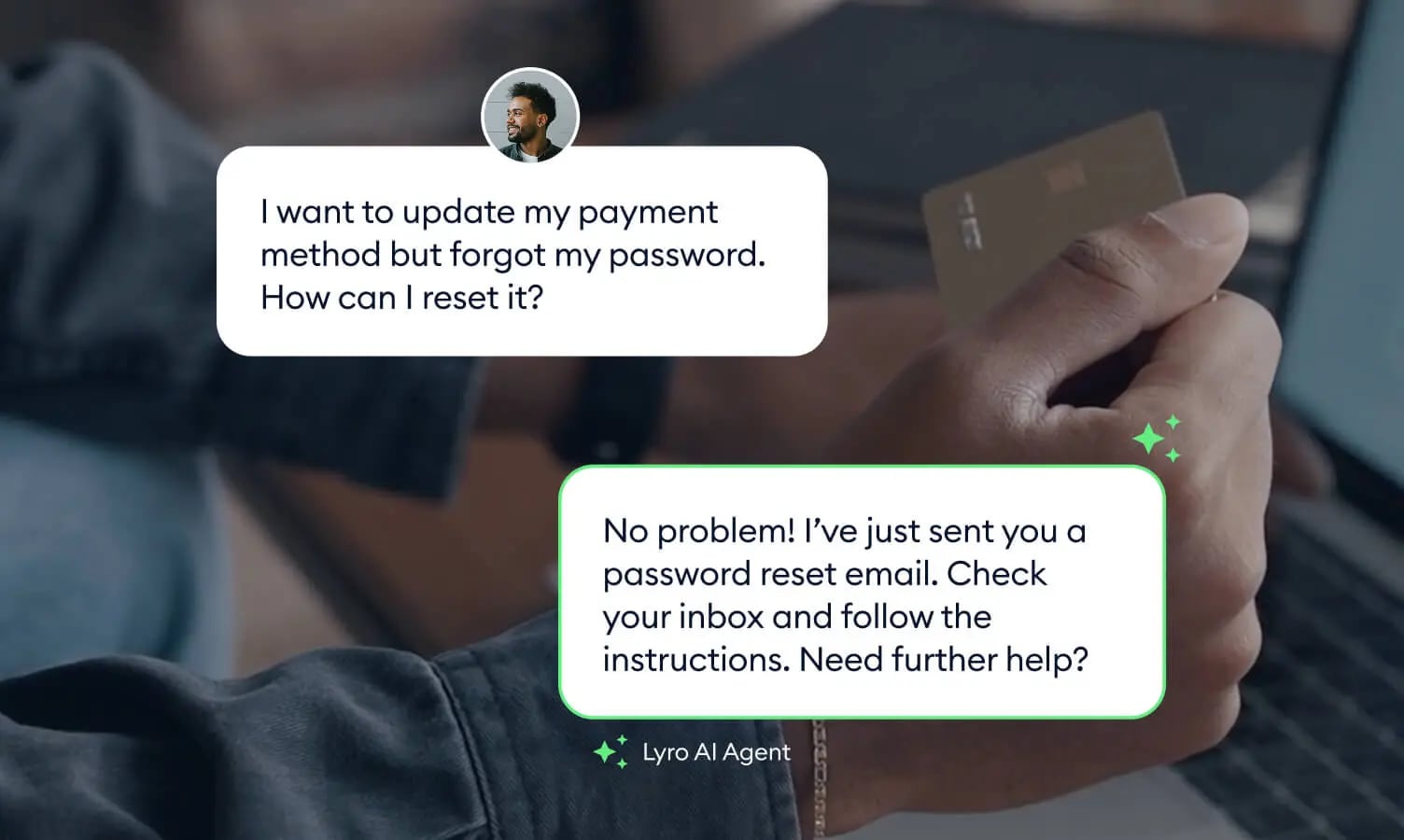
Tidio product interface.
SaleSmartly: Built for Cross-Border Messaging
SaleSmartly's defining strength is its channel breadth. It aggregates WhatsApp, Facebook Messenger, Instagram, Telegram, LINE, Email, VKontakte, WeChat, Zalo, and YouTube into a single unified interface. For businesses selling into Southeast Asia, Latin America, the Middle East, or Europe, this matters because customers in different regions default to different apps. A shopper in Vietnam expects Zalo; a buyer in Brazil expects WhatsApp; a customer in Japan often prefers LINE.
Instead of maintaining separate inboxes and agent workflows for each channel, teams manage everything from one centralized backend. This is a practical advantage for cross-border ecommerce, B2B inquiry management, and click-to-message ad campaigns.
Tidio: Website-First with Social Add-Ons
Tidio centers on the website live chat widget, with Facebook Messenger and Instagram integration available on paid plans. It does not natively support WhatsApp, Telegram, LINE, or WeChat at the same depth as SaleSmartly. For a store whose traffic comes primarily through its own website, this is often enough. For a business that depends on messaging apps as its primary sales channel, Tidio's coverage may feel limiting.
Intercom: Product-Centric Channels
Intercom supports live chat, email, in-app messaging, phone, WhatsApp, Facebook, Instagram, and SMS. Its strongest channel is in-app messaging, which makes it ideal for SaaS products and mobile apps where users need help without leaving the product. However, Intercom's WhatsApp and SMS usage is billed separately on top of seat costs, which can make high-volume messaging expensive.
Bottom line: If your customers live in messaging apps across multiple countries, SaleSmartly's native channel aggregation is the clearest advantage. If your support is website- or product-centric, Tidio or Intercom may cover what you need.
AI Agents: Automation Depth Compared
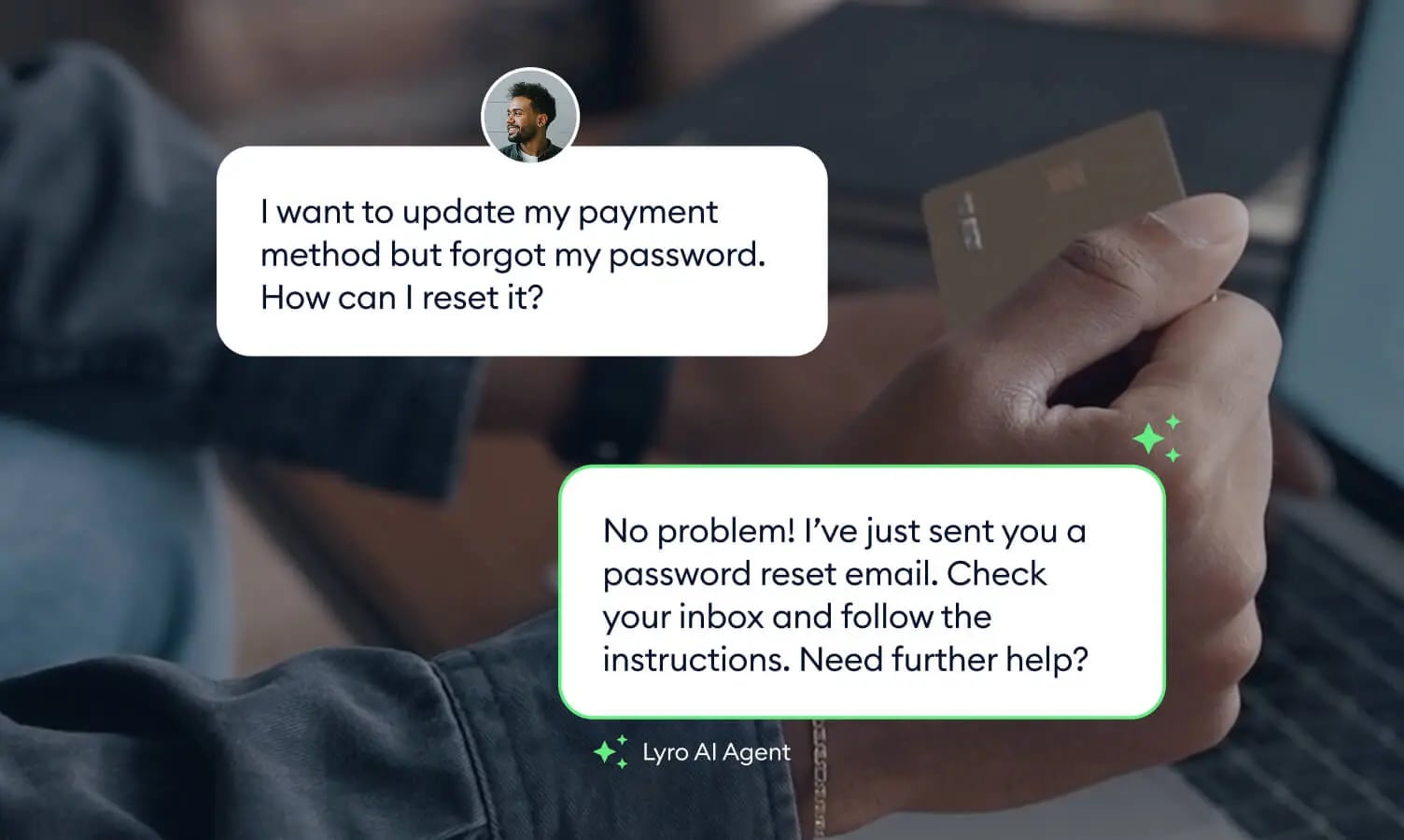
Tidio product interface.
Tidio's Lyro: Fast Answers for Common Questions
Tidio's Lyro AI Agent is designed to resolve repetitive inquiries without human involvement. Tidio reports that Lyro can solve up to 67% of customer problems in seconds, drawing from your website content, FAQs, and help center. In a case study with Cove Smart, Tidio reported a 70% increase in self-service resolution, an 80% reduction in response times, and a 35% boost in customer satisfaction.
Lyro works well for order status questions, return policies, shipping inquiries, and other high-frequency ecommerce queries. The setup is intentionally simple: connect your knowledge sources, train the agent, and let it handle routine conversations while human agents step in for complex cases.
Intercom's Fin: AI-First Helpdesk
Intercom positions Fin as a natively integrated AI Agent within its helpdesk. Fin can resolve conversations end-to-end by pulling from your Help Center, past tickets, and internal knowledge. Intercom also offers Copilot, an AI assistant that drafts replies and summarizes conversations for human agents, plus AI Insights for analyzing support trends.
Fin's strength is its depth of integration. Because it lives inside the Intercom helpdesk, it can escalate to humans with full conversation context, trigger workflows, and learn from every resolution. For support teams handling thousands of tickets per month, this automation depth is a major efficiency lever. The trade-off is cost and setup complexity: Fin works best when you have well-organized knowledge bases and are already embedded in the Intercom ecosystem.
SaleSmartly: AI Agents Across Messaging Channels
SaleSmartly combines human-led support with AI agents that automate conversations across its omnichannel inbox. The platform includes automation rules and chatbot building tools that let teams create flows for common inquiries, qualify leads, and route conversations to the right agent. Its AI agents work across WhatsApp, Facebook, Instagram, and other connected channels, not just website chat.
For cross-border teams, this means a single AI assistant can handle inquiries in multiple channels while real-time translation ensures agents and customers understand each other. SaleSmartly's automation is practical rather than enterprise-deep: it covers the high-volume, repetitive conversations that eat up support time without requiring a dedicated AI operations team.
Bottom line: Intercom offers the most sophisticated AI helpdesk for large support teams. Tidio provides the easiest AI entry point for small ecommerce stores. SaleSmartly delivers AI automation where cross-border messaging businesses need it most: across the channels their customers already use.
Multilingual Support and Translation
First viewport screenshot of Understand customer experience at scale with the CX Score | Intercom Help.
SaleSmartly: Real-Time Translation in 134 Languages
For cross-border businesses, language is often the biggest barrier to closing a sale or resolving a ticket. SaleSmartly includes real-time translation across 134 languages, so an agent who speaks only English can chat with a customer in Spanish, Arabic, Vietnamese, or Japanese without missing nuance. This is a defining feature for teams that sell globally but cannot hire native speakers for every market.
Tidio: Multilingual Widget, Limited Translation
Tidio's chat widget supports multiple languages, meaning you can display the widget in the visitor's language. However, it does not offer the same depth of real-time agent-to-customer translation across dozens of languages. Teams serving a multilingual audience may need to rely on human agents who speak those languages or integrate third-party translation tools.
Intercom: Multi-Language Help Center, Not Real-Time Translation
Intercom supports multi-language Help Centers and lets you set the language of outbound messages. But like Tidio, it does not provide built-in real-time translation between agents and customers across 100+ languages. Intercom's approach assumes your team will either hire multilingual agents or serve customers primarily in one or two languages.
Bottom line: If you need agents to communicate with customers in dozens of languages without hiring dozens of native speakers, SaleSmartly's real-time translation is a supported advantage that Tidio and Intercom do not match.
Pricing: What You Actually Pay
SaleSmartly: Freemium with Low Entry Point
SaleSmartly uses a freemium model with paid plans starting at $12.72 per month. The free plan includes one member, one social media account, and a limited conversation quota, making it easy to test the platform before committing. Paid plans scale by members and connected accounts, which keeps costs predictable for small and mid-sized teams.
Tidio: Free Tier, Then Per-Seat or Feature-Based Plans
Tidio offers a free plan, with paid tiers including Starter at $29 per month, Communicator at $25 per month per seat, and Automation at $29 per month. The free plan is genuinely useful for a single operator testing live chat, but conversation limits and AI trigger caps push growing teams toward paid plans quickly. Tidio's pricing is transparent and affordable for small ecommerce stores.
Intercom: Premium Pricing for Premium Depth
Intercom's Essential plan starts at $39 per month per seat, Advanced at $99 per month per seat, and Expert at $139 per month per seat. Email, WhatsApp, and SMS messages are charged separately on top of seat costs. For a team of five agents on Advanced, base costs alone exceed $500 per month before message fees. Intercom is the most expensive option here, but it also delivers the most robust helpdesk and AI tooling.
Bottom line: SaleSmartly offers the lowest paid entry point and the most generous free tier for cross-border messaging. Tidio is affordable for website-focused small businesses. Intercom's pricing reflects its enterprise positioning and is best justified when support volume and complexity are high.
Ease of Use and Setup
Tidio: Fastest to Launch
Reviewers consistently note that Tidio is easy to set up and more usable out of the box compared to SaleSmartly. The widget installs in minutes, Lyro trains from your existing website content, and the interface is clean and approachable for non-technical users. For a solo founder or small team that needs live chat working today, Tidio is hard to beat.
SaleSmartly: Straightforward but Channel-Heavy
SaleSmartly's setup involves connecting multiple messaging channels, which naturally takes more time than installing a single website widget. Once channels are connected, the centralized inbox is intuitive, and the platform offers 1-on-1 product demos plus 24/7 AI bot support. Teams that only need website chat may find Tidio simpler; teams that need WhatsApp, LINE, and Telegram unified will find SaleSmartly's setup effort worthwhile.
Intercom: Powerful but Complex
Intercom is a full platform, and with that comes a learning curve. Setting up Fin, configuring workflows, managing Help Center content, and tuning automation requires more time and often dedicated resources. Intercom's onboarding and documentation are strong, but small teams may feel overwhelmed by the options.
Bottom line: Tidio wins on pure ease of setup. SaleSmartly is approachable for its channel breadth. Intercom rewards teams willing to invest time in configuration.
Which Platform Should You Choose?
Choose SaleSmartly if:
- You sell across borders and need WhatsApp, Facebook Messenger, Instagram, Telegram, LINE, WeChat, Zalo, or VKontakte in one inbox.
- Your team needs real-time translation to serve customers in many languages.
- You want AI automation across messaging channels at a low starting price.
- You run WhatsApp private-domain marketing, click-to-message ads, or B2B inquiry management.
Choose Tidio if:
- You run a small to mid-sized ecommerce store and most customer contact happens on your website.
- You want a simple AI agent that resolves routine questions without complex setup.
- You value ease of use and a fast launch over deep channel coverage.
- Your budget is tight and you want a genuinely useful free tier.
Choose Intercom if:
- You are a SaaS or product-led business where in-app messaging is central to support.
- You have a dedicated support team handling high ticket volume.
- You need a full helpdesk with AI agent, agent copilot, and analytics in one system.
- You have the budget for per-seat pricing plus message fees.
Side-by-Side Comparison Table
| Criteria | SaleSmartly | Tidio | Intercom |
|---|---|---|---|
| Core focus | Cross-border omnichannel messaging | Website live chat + AI for ecommerce | AI-first helpdesk for scaling support |
| Channel coverage | WhatsApp, Messenger, Instagram, Telegram, LINE, Email, WeChat, Zalo, VKontakte, YouTube | Website chat, Messenger, Instagram | Chat, email, in-app, phone, WhatsApp, SMS |
| AI agent | Yes, across messaging channels | Lyro AI Agent | Fin AI Agent + Copilot |
| Real-time translation | 134 languages | Limited | Limited |
| Starting paid price | $12.72/month | $25-$29/month | $39/month per seat |
| Free plan | Yes | Yes | Free trial only |
| Best for | Cross-border SMBs and enterprises | Small ecommerce stores | SaaS and large support teams |
Related reading
- SaleSmartly vs Olark vs tawk.to: Which Chat Platform Wins? - Compare SaleSmartly, Olark, and tawk.to on live chat, AI agents, omnichannel reach, multilingual support, CRM, pricing, and cross-border fit.
- SaleSmartly vs HubSpot vs Olark: Which Chat Platform Wins? - Compare SaleSmartly, HubSpot Customer Platform, and Olark on omnichannel reach, AI agents, CRM depth, live chat, pricing, and cross-border fit.
- SaleSmartly vs SleekFlow vs Wati: Which AI Platform Wins? - Compare SaleSmartly, SleekFlow, and Wati on AI agents, omnichannel reach, WhatsApp depth, multilingual support, pricing, and cross-border fit.
Sources and further reading
- Top 10 SaleSmartly Alternatives & Competitors in 2026 - G2 - Tidio's interactive widget functions as both a live chat plugin and a chatbot. ... Reviewers say compared to SaleSmartly, Tidio is: More usable. Easier to set ...
- SaleSmartly-Blog-Cross-border Industry Information - SaleSmartly's blog is a platform focused on sharing knowledge and experience in SaaS software, e-commerce, customer service and marketing, aiming to help merchants improve the efficiency and quality of customer communication, increase sales conversion rates and customer satisfaction.
Frequently Asked Questions
Is SaleSmartly better than Tidio?
It depends on your needs. SaleSmartly is better for cross-border businesses that need to unify multiple messaging channels like WhatsApp, LINE, and Telegram with real-time translation. Tidio is better for small ecommerce stores that want simple website live chat and an easy-to-use AI agent. If your customers contact you primarily through your website, Tidio may be the simpler choice. If they contact you through messaging apps across countries, SaleSmartly has the advantage.
Is Intercom worth the higher price?
Intercom is worth it for SaaS companies and support teams that need a full helpdesk with deep AI automation, in-app messaging, and advanced analytics. If you handle thousands of support conversations per month and can use Fin to resolve a meaningful percentage automatically, the efficiency gains can justify the cost. For small teams or messaging-app-heavy businesses, Intercom's pricing and website-centric design may be more than you need.
Can SaleSmartly replace Intercom?
For cross-border messaging and omnichannel customer communication, SaleSmartly can replace Intercom at a lower cost with broader channel coverage and built-in translation. However, if you rely on Intercom's in-app messaging, product tours, and enterprise helpdesk workflows, SaleSmartly is not a direct replacement. The two platforms serve different primary use cases.
Does Tidio support WhatsApp?
Tidio's core channels are website live chat, Facebook Messenger, and Instagram. WhatsApp support is not available at the same native depth as platforms like SaleSmartly, which treats WhatsApp as a first-class channel for private-domain marketing and customer service. If WhatsApp is central to your business, check each platform's current WhatsApp capabilities before deciding.
Which platform is best for a small business on a budget?
Tidio and SaleSmartly both offer free plans and low-cost entry points. Tidio's free plan is ideal for a solo founder testing website chat. SaleSmartly's free plan lets you test omnichannel messaging with one connected account. Intercom is the least budget-friendly option due to per-seat pricing and separate message fees.
Final Thoughts
SaleSmartly, Tidio, and Intercom are all strong platforms, but they solve different problems. Tidio is the friendly on-ramp for website chat and simple AI automation. Intercom is the heavy-duty helpdesk for product-led teams that need deep AI and in-app support. SaleSmartly is the cross-border specialist that unifies the messaging channels global customers actually use, with translation built in.
If you are still weighing options, our comparisons of SaleSmartly vs Intercom vs Wati and SaleSmartly vs tawk.to vs Wati explore how SaleSmartly stacks up against other messaging-focused tools. For a broader look at omnichannel platforms, see the SaleSmartly omnichannel customer service guide.
The best platform is the one that meets your customers where they already are. For cross-border businesses, that answer is increasingly a messaging app, not a website widget.