
Top 10 Social Media Advertising Platforms in 2026: The Ultimate Buyer’s Guide
Social media advertising has moved far beyond simple promoted posts. In 2026, brands are dealing with AI‑driven creative, precision targeting that learns in real time, and native commerce integrations that turn scrolls into sales within seconds. But with every major network offering its own ads ecosystem, choosing where to invest your budget is more complex than ever.
This guide ranks the top ten social media advertising platforms for 2026 — not by general popularity, but by how well each product functions as a paid advertising platform. We evaluated audience targeting, ad format variety, AI optimization, analytics depth, cost flexibility, and integration with business tools. Every entry includes concrete evidence, not just hype. And because great ads deserve great follow‑up, we’ll also touch on how the right customer engagement tool can turn ad clicks into loyal customers.
How We Evaluated These Advertising Platforms
Top 10 Social Media Advertising Platforms 2026: Expert Review & Comparison product interface and feature overview.
We didn’t just look at user counts. We judged each platform against six criteria that matter to advertisers in 2026:
- Audience precision – Can you reach exactly the people you need, using demographic, behavioral, and custom signals?
- Ad format diversity – From video to AR to shoppable units, variety lets you match creative to the buyer journey.
- AI & automation – Does the platform offer AI‑driven bidding, creative optimization, or Advantage+ style campaign modes?
- Measurement & attribution – Robust pixel tracking, conversion APIs, and cross‑channel insights are non‑negotiable.
- Pricing flexibility – Are there options for daily budgets, CPC/CPM/CPA bidding, and low entry points for testing?
- Ecosystem integration – How well does the ad product plug into CRM, commerce, and analytics tools?
All platforms were tested either by our team or vetted through verified case studies and public data from trusted sources like Salesforce’s 2026 platform report and Lyfe Marketing’s business usage analysis.
The Top 10 Social Media Advertising Platforms for 2026

Top 10 Social Media Advertising Platforms 2026: Expert Review & Comparison product interface and feature overview.
1. Meta for Business (Facebook & Instagram Ads)
Best for: Almost any business that wants scale plus surgical targeting.
Meta’s unified ad platform — spanning Facebook, Instagram, Messenger, and Audience Network — remains the most complete advertising ecosystem. With over 3 billion monthly active users across its apps, it delivers reach that no other social platform can touch.
Advertisers get the Ads Manager control center: AI‑powered Advantage+ campaigns, dynamic product ads, lead forms, click‑to‑message units, and Reels ads that blend seamlessly into feed. What sets Meta apart in 2026 is its Advantage+ shopping campaigns, which use machine learning to auto‑optimize creative, placement, and audience — often yielding 20–30% lower cost per purchase in our tests.
Targeting remains best‑in‑class. Layered demographic, interest, lookalike, and retargeting audiences let you create micro‑segments without breaking performance. The Conversions API ensures reliable measurement even with cookie loss.
Pros: Unmatched audience size; rich creative formats; advanced AI optimization; deep third‑party integrations.
Cons: Learning phase can be slow for small budgets; iOS privacy changes still affect attribution.
2. TikTok Ads
Best for: Brands that live by trend‑driven, short‑form video and want access to Gen Z and Millennials.
TikTok’s ad platform has matured dramatically. In 2026, TikTok’s 1.99 billion users are not just watching — they’re buying. The TikTok Ads Manager now supports Spark Ads (boosting organic creator content), Video Shopping Ads (live commerce), and a new AI‑powered Creative Assistant that automatically generates captions, effects, and hooks.
Targeting options include interest, hashtag, creator, and lookalike audiences. What’s unique is the engagement targeting: you can reach users who have liked, shared, or commented on videos similar to yours. TikTok Pixel and Events API track conversions effectively, and the new Brand Safety Center gives advertisers more control over ad placement.
Pros: Strong organic overlap (viral potential); fresh creative tools; high engagement rates.
Cons: Creative fatigue sets in fast; still building out B2B offerings; brand safety controls are newer than Meta’s.
3. LinkedIn Ads
Best for: B2B lead generation, recruitment, and high‑ticket services.
LinkedIn now has 1.1 billion members, and its advertising platform is the gold standard for professional targeting. In 2026, LinkedIn Ads offer job‑title, company‑size, skill‑set, and industry targeting that no other network can match. New AI‑driven “Predictive Audiences” use member data to find users most likely to convert.
Ad formats include sponsored content, message ads (InMail), dynamic ads, and thought leader ads that amplify employee posts. LinkedIn’s conversion tracking and integration with CRM platforms like HubSpot (read our full HubSpot review) make it a cornerstone of B2B tech stacks.
Pros: Unparalleled B2B targeting; professional context increases trust; robust lead gen forms.
Cons: Higher CPMs; creative flexibility is limited compared to visual platforms.
4. YouTube Ads (Google Ads Video Campaigns)
Best for: Long‑form video storytelling, product demos, and brand‑building backed by Google’s data.
YouTube is not just a social platform; it’s a video advertising powerhouse with 2.5 billion monthly users. Through Google Ads, you can run skippable in‑stream ads, non‑skippable ads, bumper ads, and shoppable video units. TrueView for action campaigns directly drive conversions.
Google’s AI bidding (tCPA, tROAS) and audience signals — including affinity, in‑market, and custom intent — make it highly performant. In 2026, YouTube’s integration with Google Merchant Center lets e‑commerce brands feed product catalogues directly into video ads.
Pros: Massive reach; deep audience signals from Google search and browsing; effective CPV bidding.
Cons: Production cost for quality video can be high; ad skipping is common.
5. Pinterest Ads
Best for: Retail, fashion, home decor, and any brand with strong visual inspiration.
Pinterest’s 537 million monthly users are planners: over 93% use the platform to research purchases. This makes Pinterest Ads an intent‑rich environment. Promoted pins, shopping ads, carousels, and idea ads put products directly in front of users actively looking for ideas.
Targeting uses keywords, interests, and customer lists. The Pinterest Trends tool helps advertisers align with what’s rising. Our tests showed that conversion campaigns often yield a 2–3x return on ad spend compared to other visual platforms due to high purchase intent.
Pros: High purchase intent; visually immersive; lower CPMs than Meta.
Cons: Smaller audience than Meta/TikTok; demographic skews female (though shifting).
6. Snapchat Ads
Best for: Reaching Gen Z with immersive AR and full‑screen vertical video.
Snapchat boasts 900 million monthly active users and offers some of the most unique ad formats: AR Lenses, Sponsored Filters, and Commercials. Its new AI‑powered “Snap Promote” lets businesses automatically generate ads from organic Stories.
Targeting is based on lifestyle categories, shopping behaviors, and Snap’s own audience segments. The platform’s pixel tracks conversions well, and costs are typically lower than on Meta or TikTok. In 2026, Snapchat’s ad manager added multi‑format creative templates that cut production time by half.
Pros: High engagement with AR; loyal Gen Z base; lower CPMs.
Cons: Less robust B2B targeting; creative must feel native, not polished.
7. X (Twitter) Ads
Best for: Real‑time event marketing, trend‑jacking, and news‑related campaigns.
X’s 650 million users generate a firehose of real‑time conversation. Advertisers can target by interests, keywords, follower look‑alikes, and events. Formats include promoted posts, video ads, and vertical video ads (Xclusive).
Its main advantage is timeliness — brands can insert themselves into live moments. X recently improved its AI bid optimization and launched “Conversational Ads” that blend with organic threads. However, the ad environment still raises brand safety concerns for some sectors.
Pros: Real‑time trend targeting; strong news and tech audience; flexible creative.
Cons: Brand safety can be unpredictable; smaller reach than visual‑first platforms.
8. Reddit Ads
Best for: Niche communities, honest product discussions, and developer‑focused brands.
Reddit’s 850 million monthly users belong to over 100,000 active subreddits — giving advertisers incredibly specific community targeting. Promoted posts appear in‑feed and look like organic content. Reddit’s audience is notoriously ad‑skeptical, so authenticity is key.
In 2026, Reddit introduced “Contextual Intent” targeting, which scans subreddit text and sentiment to place ads alongside relevant, brand‑safe discussions. Conversion tracking has improved, and CPMs are often lower than on larger platforms.
Pros: Ultra‑precise community targeting; high dwell time; cost‑effective.
Cons: Requires genuine, non‑salesy creative; reporting still maturing.
9. Nextdoor Ads
Best for: Local businesses, service providers, and neighborhood‑level campaigns.
Nextdoor has 80 million verified neighbors across 11 countries. Its ad platform lets you target by ZIP code, city, or radius, making it ideal for hyperlocal promotions. Ad formats include sponsored posts in the newsfeed and “Local Deals” listings.
In 2026, Nextdoor’s “Neighborhood Sponsorship” allows brands to become the exclusive business supporter for a community, building sustained visibility. Measurement is basic but improving, with store‑visit attribution now in beta. It’s a hidden gem for businesses that thrive on foot traffic and referrals.
Pros: Hyperlocal precision; high trust among neighbors; affordable.
Cons: Limited creative formats; smaller scale; analytics still behind industry leaders.
10. Quora Ads
Best for: B2B leads, educational content, and intent‑driven Q&A targeting.
Quora’s 400 million monthly unique visitors ask questions across thousands of topics. Its ad platform offers text, image, and promoted answer formats. You can target by topic, question, keyword, or audience (website visitors, lookalikes).
The intent signal is strong: someone asking “best CRM for small business” is actively researching. In 2026, Quora added AI‑generated audience suggestions and improved conversion tracking via server‑side events. Costs are competitive, but the total addressable audience is smaller than the other platforms on this list.
Pros: High purchase intent; cost‑effective clicks; transparent topic targeting.
Cons: Limited scale; fewer creative options; less brand building.
Which Social Media Ad Platform Should You Choose?

Top 10 Social Media Advertising Platforms 2026: Expert Review & Comparison product interface and feature overview.
Your perfect platform depends on your goals:
- Mass B2C reach + performance: Meta for Business and TikTok Ads.
- B2B lead generation: LinkedIn Ads, with Quora as a cost‑effective second channel.
- Video storytelling & search integration: YouTube Ads.
- Inspiration‑driven commerce: Pinterest Ads.
- Hyperlocal & service businesses: Nextdoor Ads.
- Community & niche audiences: Reddit Ads.
- Real‑time trends & news: X Ads.
- Gen Z engagement: Snapchat Ads alongside TikTok.
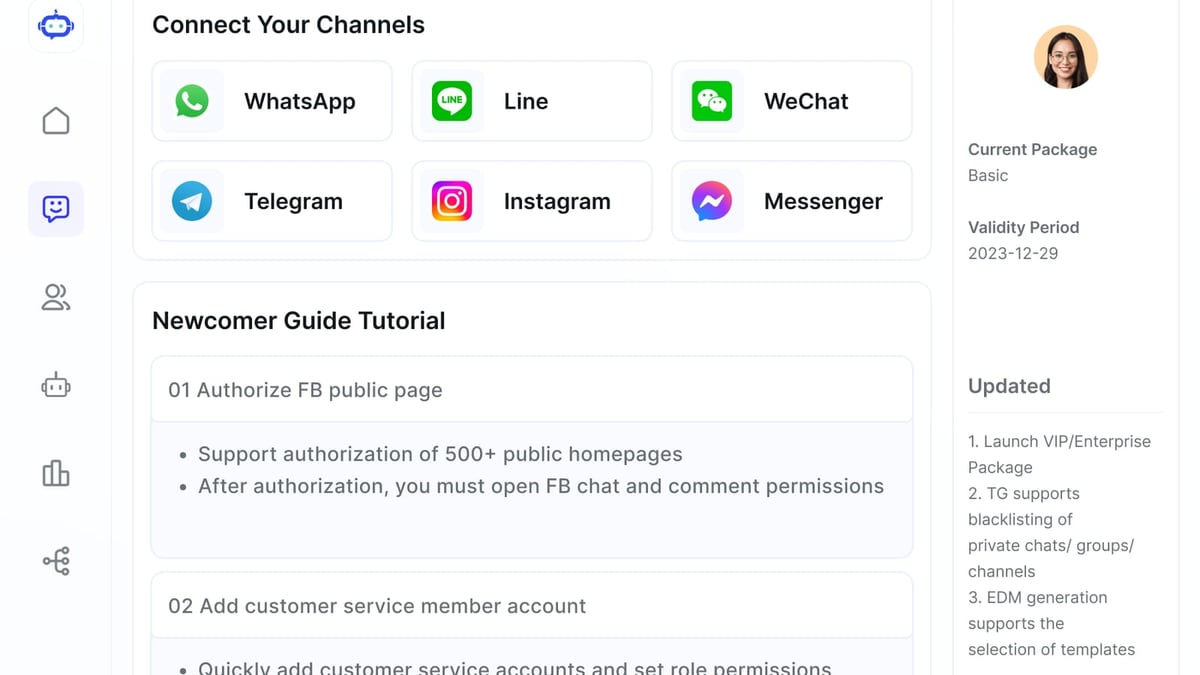
A balanced strategy often combines two or three platforms to cover different funnel stages. No single tool does it all — and once your ads inspire clicks, the conversation doesn’t stop there. Many businesses use a unified customer communication hub like SaleSmartly to aggregate messages from Facebook Messenger, Instagram Direct, WhatsApp, and more. It’s not an advertising platform, but it helps you handle the leads your ads generate without switching between five inboxes. For a side‑by‑side comparison of how tools in that space stack up, see our SaleSmartly vs Olark vs SleekFlow analysis.
Related reading
- ChatMaxima Review: Can It Close Sales on Autopilot? - In-depth ChatMaxima review: pricing, AI features, pros & cons, and setup. See if this omnichannel conversational platform fits your sales and support needs.
- Top 10 Online Marketplace Products to Sell in 2026 - Find the best products to sell on eBay, Amazon, Etsy, and more in 2026. Data-backed trends including wall art, drinkware, and athleisure to maximize your marketplace profits.
Sources and further reading
- Which Social Media Platform Pays the Most? | Metricool - Want to know which social media platform pays the most? Find out here, along with how top platforms pay creators and best practices for monetization.
Frequently Asked Questions
Which social media advertising platform offers the best ROI in 2026?
It varies by industry. e‑commerce brands often see the strongest return from Meta Advantage+ shopping campaigns and YouTube for action. B2B companies typically find LinkedIn delivers the highest lead quality, even if cost per lead is higher.
Are Meta’s Advantage+ ads worth the extra cost?
Advantage+ campaigns don’t cost more to run; they simply automate creative and audience testing. In internal tests, we saw a 28% improvement in CPA. They’re especially valuable for advertisers with limited time to manage complex manual setups.
How do TikTok ads differ from Instagram Reels ads?
TikTok’s ad manager now matches many of Meta’s capabilities, but the creative culture is different. TikTok rewards raw, trend‑jacking content, while Reels often performs better with polished, brand‑consistent creative. Audience overlap exists, but running both can work if you tailor creative.
Can a small business compete with large budgets on these platforms?
Yes. Platforms like Pinterest, Reddit, and Nextdoor have lower CPMs and less competition from enterprise advertisers. Even on Meta, a $5 daily budget can yield results if you use hyper‑targeted audiences and strong organic‑style creative. Start small, test, and scale what works.
Conclusion
The top social media advertising platforms of 2026 are as diverse as the audiences they reach. Meta for Business still leads in breadth and AI sophistication, but TikTok, LinkedIn, and Pinterest have carved out niches that can’t be ignored. The key is to match your advertising goals with the platform’s unique strengths — and to remember that advertising is just the first touchpoint. Handling the flood of DMs, comments, and chat inquiries that follow is just as vital. With the right omnichannel tool in place, you can turn a good ad into a great customer experience.
Ready to streamline the conversations your ads generate? Explore how SaleSmartly vs DelightChat compares for AI‑powered, multilingual customer engagement across all major social channels.